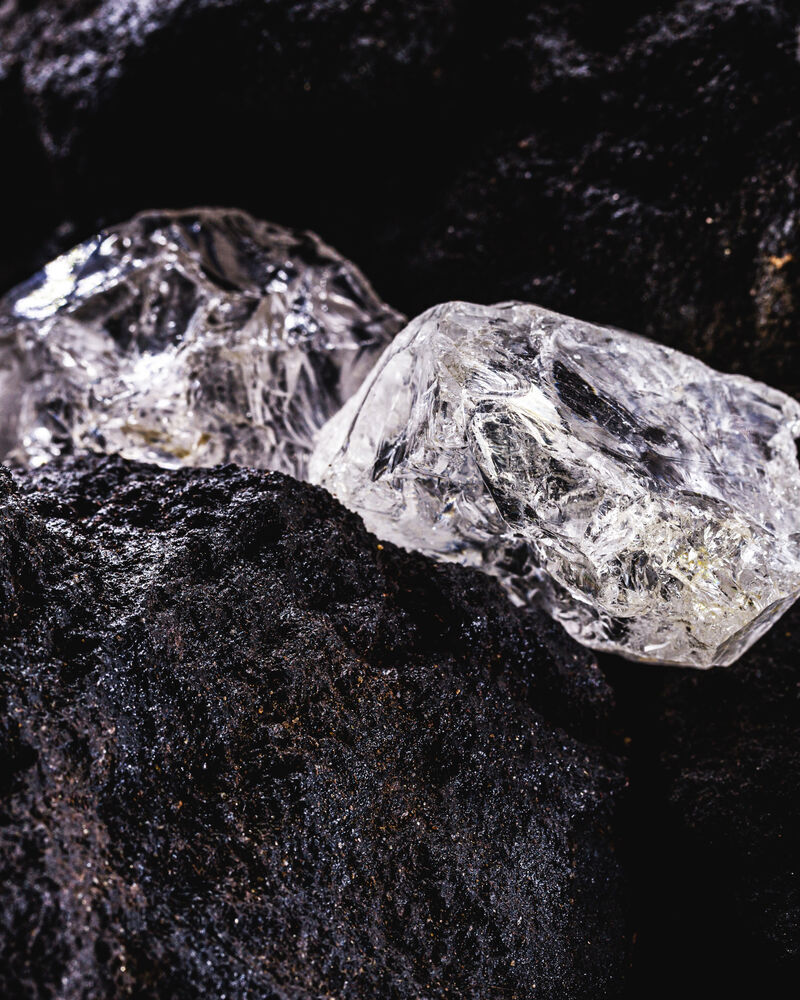
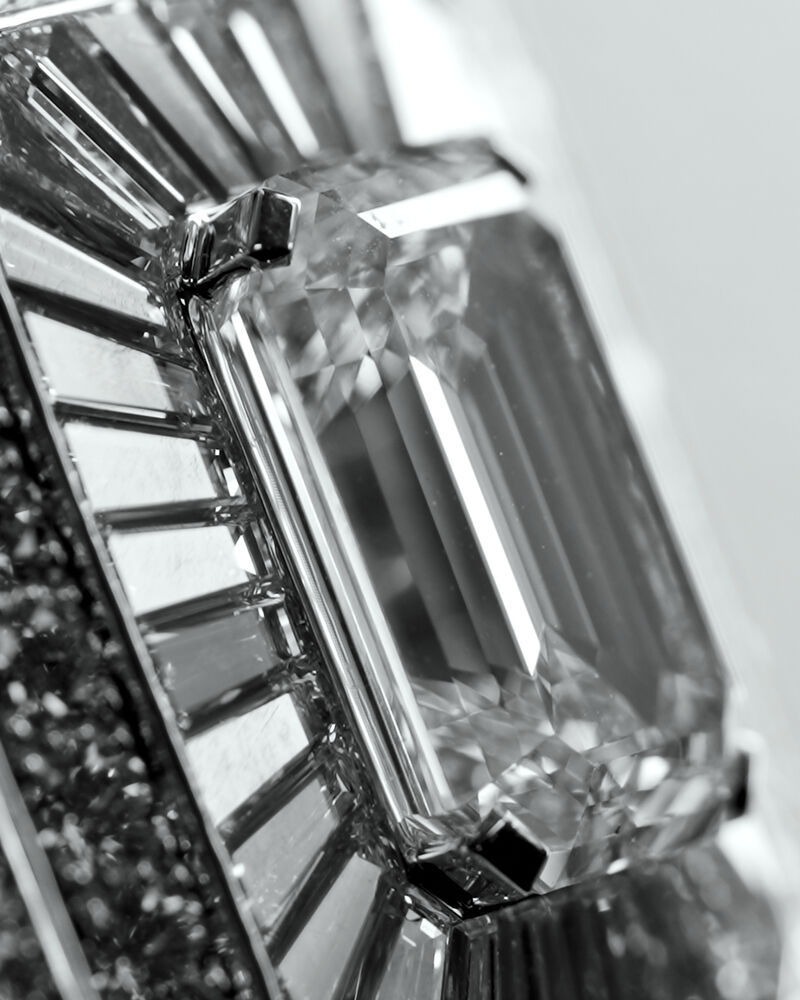
At Boucheron, it is essential to rethink our business model to build a future with a reduced environmental footprint. Our commitments in this pillar guide the transformation of our activities.
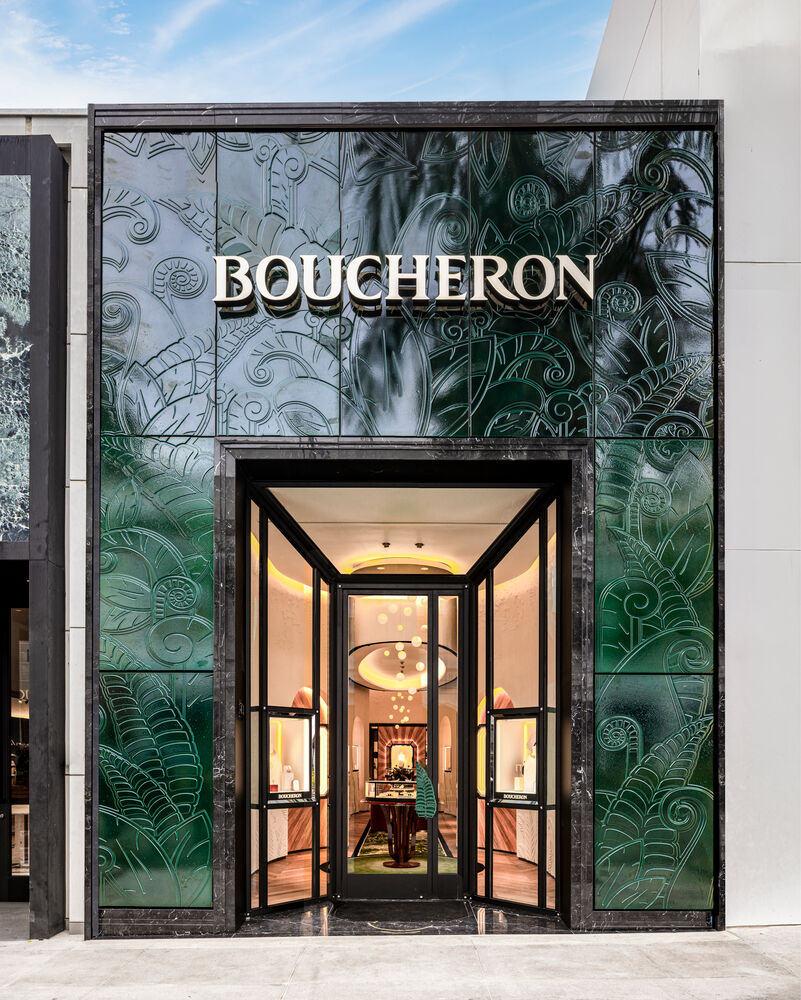
Boucheron's environmental performance is assessed using Kering’s Environmental Profit & Loss (EP&L), a measurement tool that allows the Group to quantify and measure the environmental footprint of its Maisons throughout the entire value chain.
The EP&L measures the impact we have on natural capital, from the production of raw materials to the end of the product lifecycle. The different steps of the product journey are split into several “Tiers” for this analysis, covering six key categories of environmental impact throughout our value chain. Greenhouse gases emissions, land use, water use, water pollution, air pollution and soil pollution.
The EP&L results provide valuable insights into the crucial aspect of our sustainability strategy which is our Greenhouse Gas (GHG) footprint, a key factor within broader environmental considerations. The details of our carbon impact, as calculated through the EP&L using the Greenhouse Gas Protocol (GHG Protocol).

To ensure that Boucheron's DNA is reflected throughout its activities, the Maison has a dedicated team that collaborates with university partners and industry leaders to drive technological and material innovation.
Innovation processes are subject to a specific sustainability standard. We are supported in this approach by the Kering Jewelry Innovation Lab (SIL) and its experts, who advise us on sustainable development issues.
The Maison enhances its jewelry icons through capsule innovations. The latest one symbolizes the meeting of Boucheron's Jack line and Cofalit®*. This material is derived from the "final" recycling of industrial waste. Today, it has no other use than as highway embankments, to the point of being described as "final material." Raw and an intense black color, this "final material" is now taking over the world of jewelry, conveying a powerful message: valuing what is, in essence, no longer useful and making it precious.
*Cofalit® is a brand of the Europlasma Group.
Change country/region