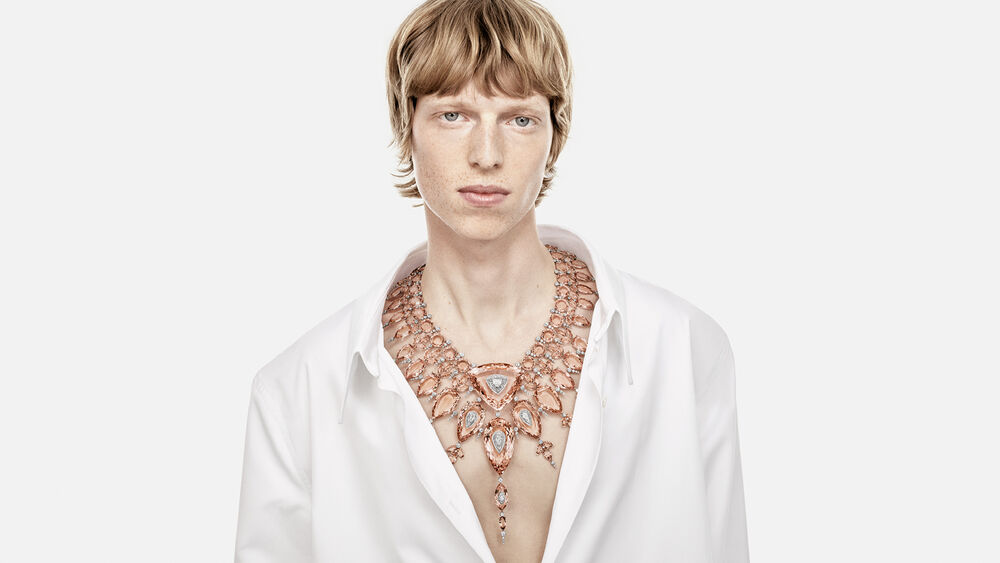
Boucheron Pacific Place Boutique is Now Open. Book an Appointment.

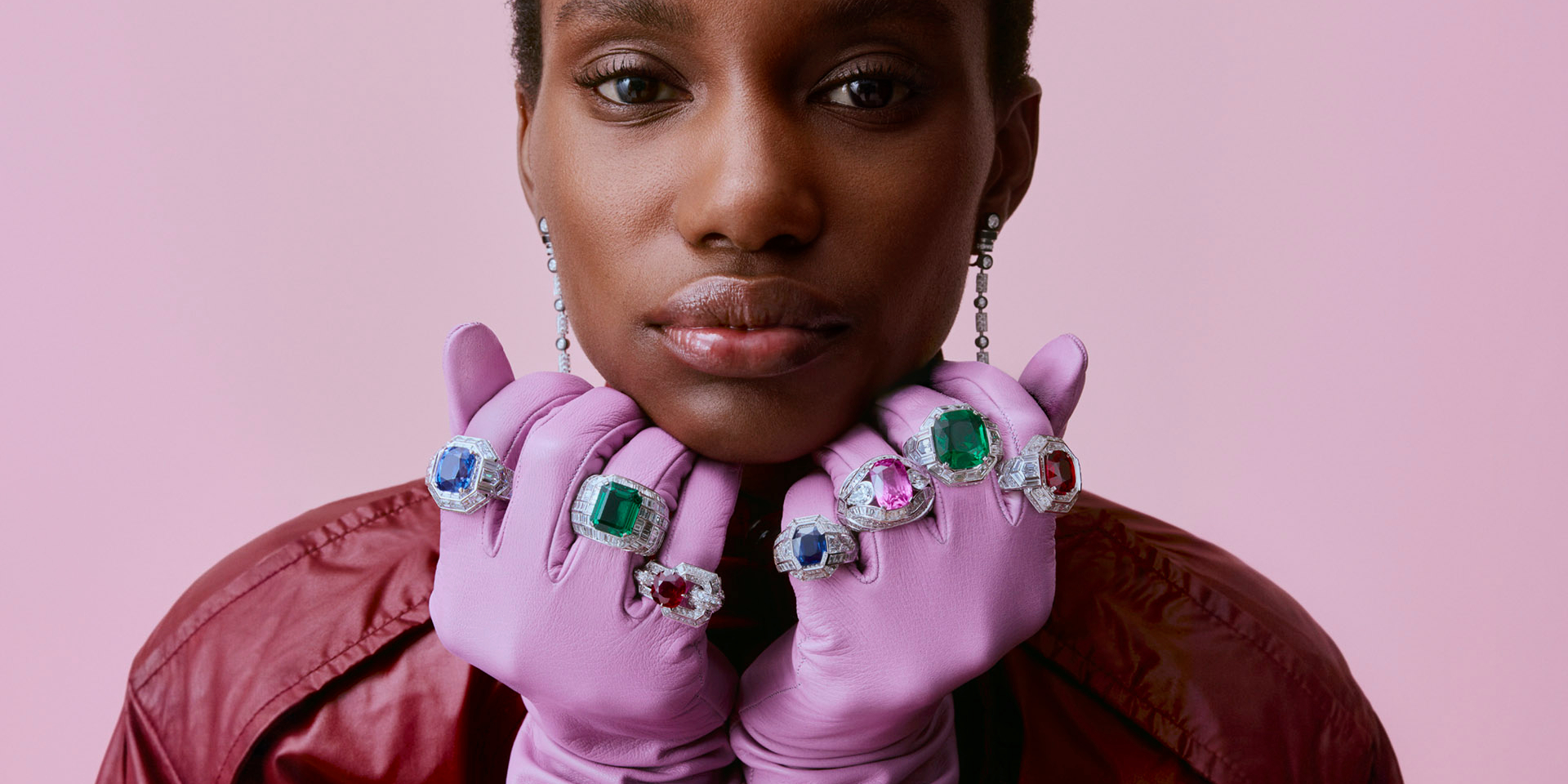
Rubies, emeralds, and sapphires. So many colors brought together to fuel creativity. First introduced in 1858, this color palette evokes emotion.
This story has been carried on by four generations of the Boucheron family. Frédéric, the pioneer. Louis, the expert. Gérard, the traveler. Alain, the creative. Today, the quest continues with Hélène Poulit-Duquesne and Claire Choisne, who are traveling the world in search of the perfect stone – the one that will best capture their creative vision. With style.
Chromium and vanadium. That is what makes a beryl an emerald, with a green hue that shifts between blue and yellow. Inside, you can see “jardins”: liquid or solid crystals, some of which may contain air bubbles. These marks—known as inclusions—tell the story of how the rock was formed.
Knowing a gemstone also means knowing how to wear it. With a shade of green this intense, striking color contrasts can be explored.
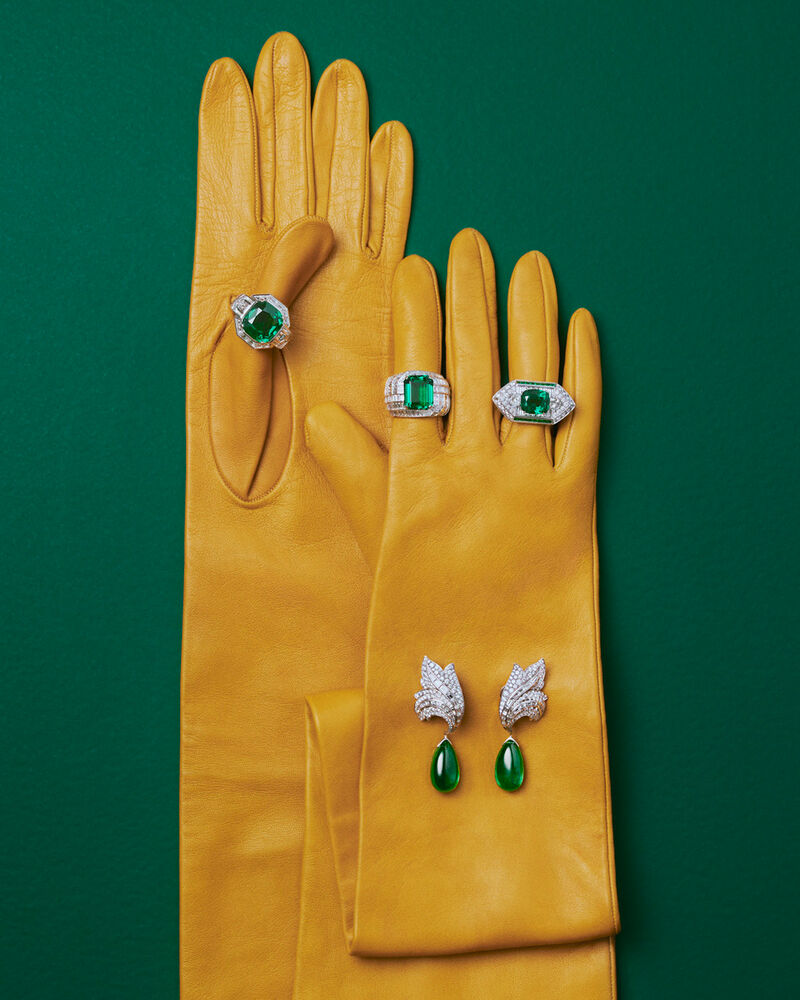
The vividness of emerald green against the warmth of ochre. Two contrasting colors that complement each other. An autumnal blend with colorful hints that evoke the forest floor.
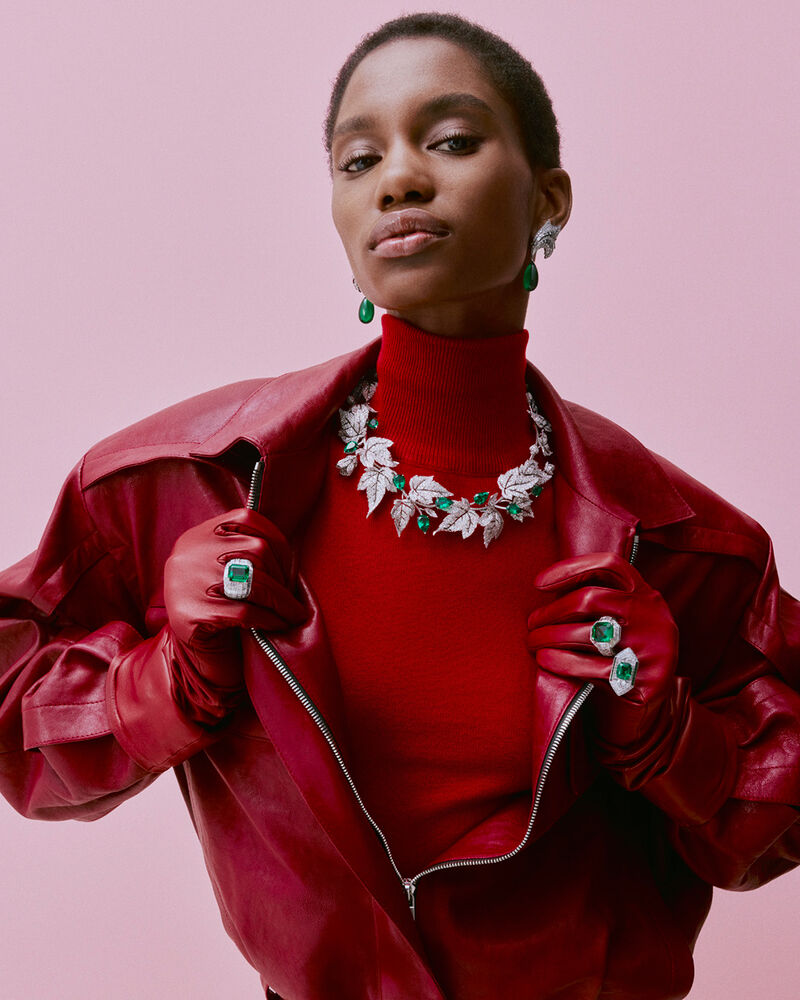
Emerald green, dusty pink, and garnet red. A range of floral colors reminiscent of an English rose garden. Opposites really do attract.
Iron and titanium. It is these elements that give sapphires their most iconic color: blue. Midnight, cornflower, or royal—it comes in about a hundred shades. When you look more closely, you can see rutile needles. Sometimes they form the shape of a star. This is a very rare inclusion known as a star sapphire.
Every shade of blue has its own way of being worn, whether by combining or contrasting colors.
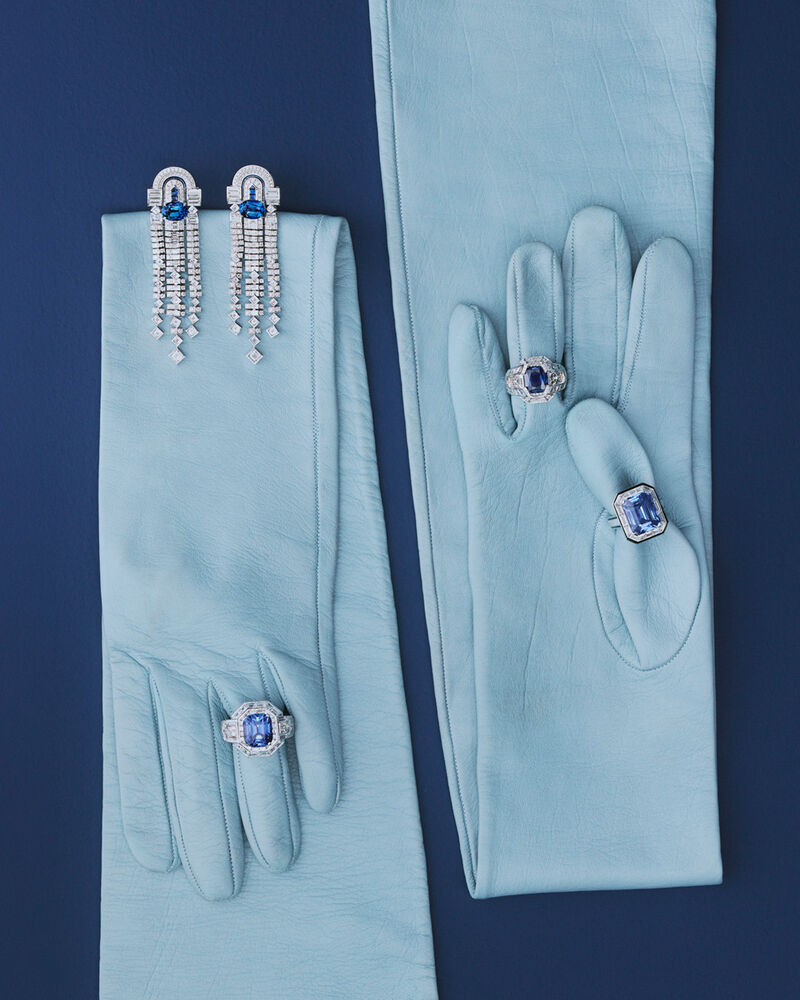
A gradient of blue, from cyan to indigo. Within the same color palette, the shades are bound to complement each other. A classic that never goes out of style.
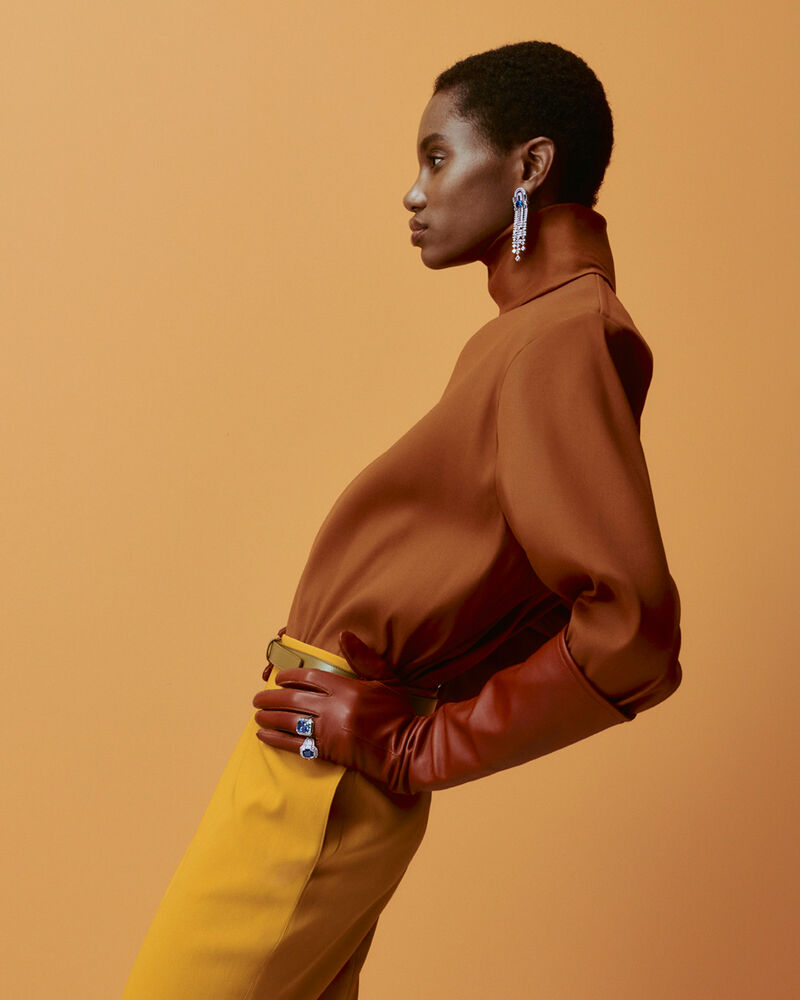
Midnight blue on bronze. A contrast of colors for a look that’s both warm and cool.
Chromium. It all comes down to this single element when turning a corundum into a ruby. From garnet to vermilion, this red hue develops slowly. Deep underground, more than 20 kilometers below the surface, at temperatures between 500 and 900 degrees. These extreme conditions leave their mark on the stone. Small crystals with rainbow-colored reflections, known as rutile inclusions.
This shade of red is anything but subtle. Make a bold choice: tone-on-tone or stark contrast.
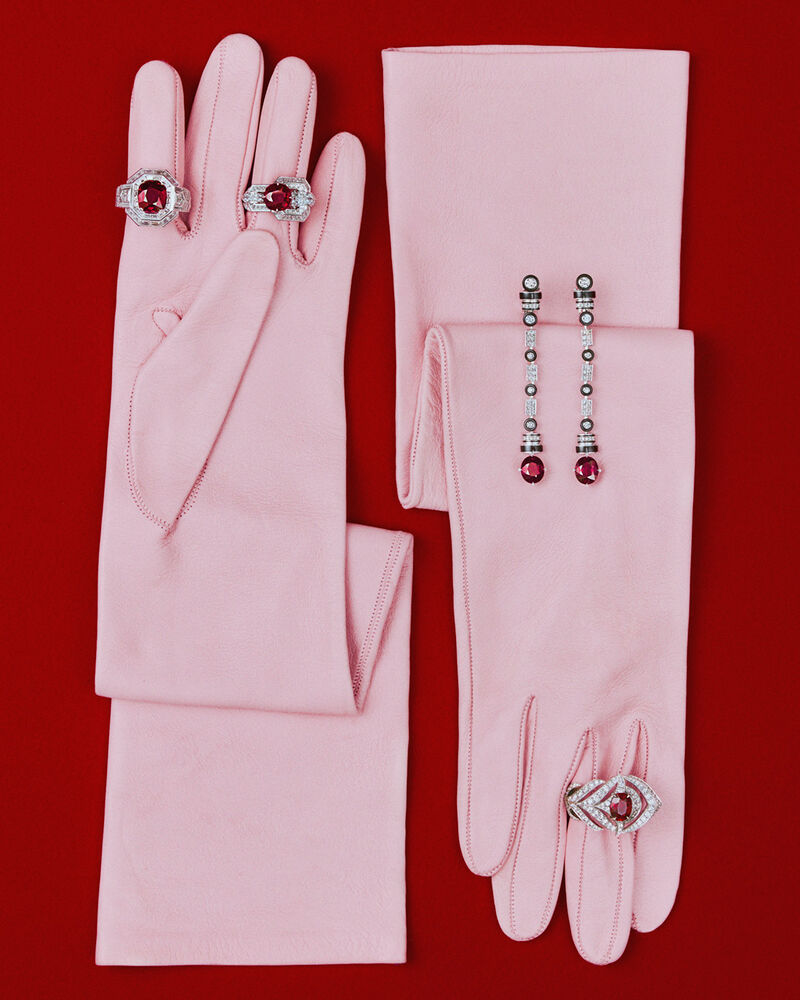
A combination of red and pink. A delicious array of shades. Good enough to eat.
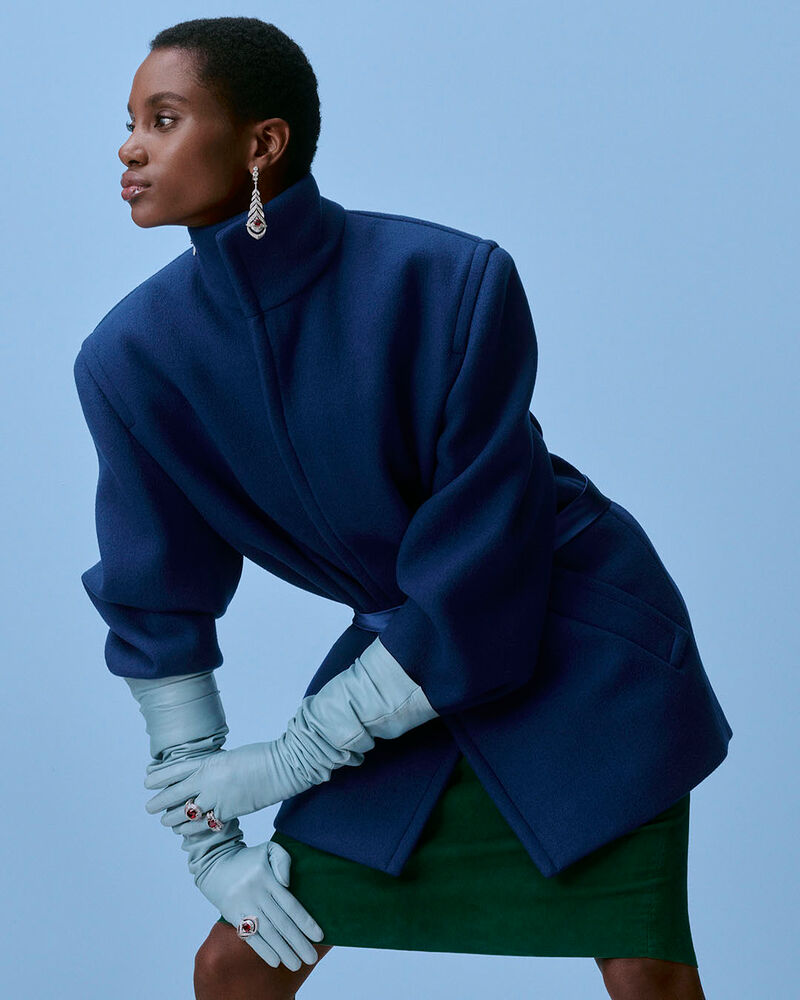
Red layered over shades of blue and green. A contrast of primary colors. The chromatic tension is at its peak.
In search of the rarest colors. Those that evoke emotion and continue the Maison’s legacy of gemological expertise. Follow Hélène Poulit-Duquesne, CEO of Boucheron, and Claire Choisne, Creative Director, as they travel to the four corners of the world.
Change country/region